Skip to main content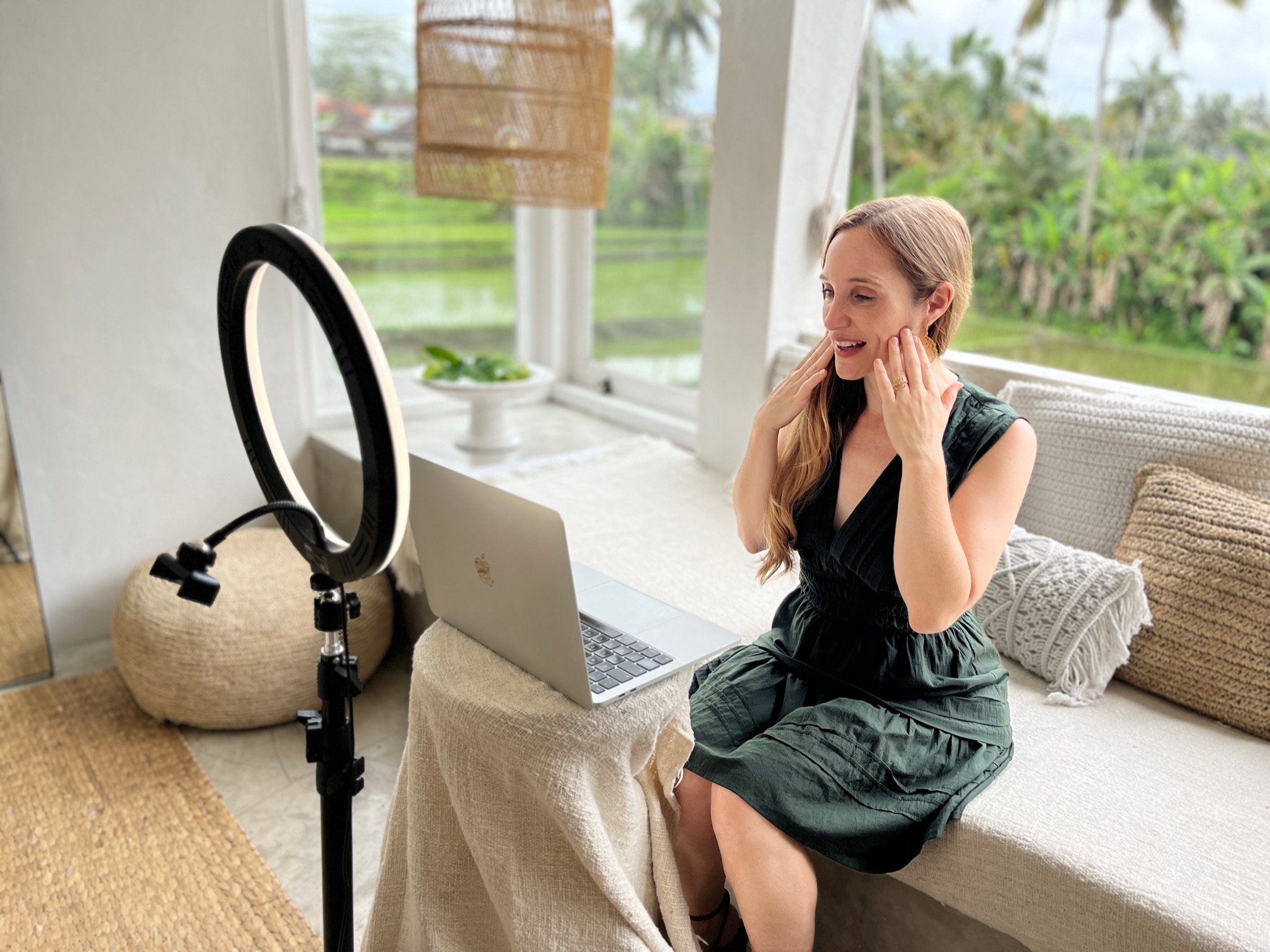
Empowering your voice with clarity, confidence, and calm
Your Voice Is Your Instrument — Treat It with Care
Your voice is more than a tool. It’s the bridge between your inner truth and the outer world. Whether you’re leading a group, guiding a coaching session, or holding space in a classroom, your voice is your instrument — and like any finely tuned instrument, it deserves care and preparation.
For speakers, coaches, facilitators, and educators, the voice carries more than information. It conveys presence, energy, confidence, and connection. That’s why vocal warm-ups for speakers are not just optional — they’re essential.
In this article, we’ll explore why warming up your voice matters, share body-based and accessible techniques from the SomaVoice method, and offer practical ways to bring these tools into your daily routine. These aren’t warm-ups reserved for singers or performers — they’re gentle, grounding practices designed for real-world voice users like you.
Why a Vocal Warm-Up Matters
Warming up your voice is not just about “sounding good” — it’s about being present in your body and your message. A prepared voice through a vocal warm-up routine feels open, expressive, and emotionally attuned. It’s steady, flexible, and alive. And when you feel grounded in your vocal expression, your confidence naturally rises.
From a physical perspective, a correct vocal warm-up supports breath regulation, reduces vocal strain, and helps build vocal endurance — so you can speak all day without tension. But there’s a deeper, emotional layer too. Preparing your voice can ease anxiety, calm your nervous system, and create a sense of readiness. A vocal warm-up is a ritual of coming home to yourself before sharing with others.
For professionals who guide, teach, or facilitate, the way your voice lands can shape the entire space. That’s why a vocal warm-up routine for speakers is so valuable: it allows you to show up with integrity, clarity, and authentic presence — every time.
The SomaVoice® Approach to Vocal Preparation
I’ve personally been working with voice and vocal development for over 30 years. Through my vocal journey, as well as the experience gained through working with over a thousand clients and students, I’ve developed a unique, body-based voice method called SomaVoice®. It’s a holistic and empowering approach to voice work, grounded in somatics, breath awareness, psychology and vocal exploration. I know that voice is not simply a sound — it’s a felt experience shaped by your entire being – your body, breath, emotions, thoughts and beliefs. Aligning with this energy, allows you to align with your most authentic voice and truly express yourself. It’s a journey that begins in the body and flows through the breath.
Rather than focusing purely on technical precision, the SomaVoice® method nurtures inner connection and self-expression. It’s gentle and accessible, created for real people who use their voice professionally — not just for trained vocalists. Coaches, teachers, group leaders, and heart-led professionals often find this approach incredibly grounding and liberating.
Each vocal warm-up becomes a ritual of self-attunement. You meet your voice with compassion, awaken your natural resonance, and prepare to speak with authenticity.
Start the Free Voice Course Now!
Unlock your most authentic voice and use it with confidence, power & impact in any situation.
6 Vocal Warm-Up Techniques for Speakers, Coaches & Facilitators
These six warm-up techniques are designed to awaken your voice while calming your nervous system. They’re simple, effective, and ideal for real-world use — whether you’re stepping into a coaching session, preparing for a presentation, or leading a group.
Grounding & Posture Awareness
What it is: A gentle moment to ground yourself and feel supported by the earth as you align your spine.
How to do it: Sit or stand comfortably and feel your feet connecting with the ground. Bring awareness to your sit bones or soles. Lengthen your spine, soften your jaw, and notice your breath. Feel into your body — not just your thoughts. Imagine breathing down into your feet. As you breathe out, allow yourself to soften 10% more from any tension you may be holding.
Why it works: Your posture is the foundation for your breath, and thus your voice. Aligned posture that is present and grounded creates stability for the voice and helps you feel safe and centered. A grounded posture allows the breath and your sound to flow more freely.
Conscious Breathing
What it is: Breathwork to regulate your nervous system and fuel your vocal power.
How to do it: Try slow, deep belly breaths. As you breathe in, imagine expanding out through your low belly (like a balloon is being blown up from inside). As you breathe out, allow this region to contract back inwards towards the spine. Continue in this way, breathing in through your nose for a slow count of 3, then release your breath gently through the mouth for 6. Do this for 1–2 minutes.
Why it works: Breath is the anchor of voice. Conscious breathing calms anxiety and supports sustained, steady vocal output — a must for long days of speaking.
Gentle Humming & Resonance Play
What it is: A playful way to awaken your vocal cords and facial muscles in the through region.
How to do it: Start with a light hum, some playful lip trills (that buzzing sound as you blow air through closed lips), or gentle voiced sighs. Let it feel easy, warm, and natural.
Why it works: These exercises gently bring blood flow to the vocal folds, relax the face, and help you find natural resonance — all without strain.
Articulation Exercises
What it is: Techniques to awaken clarity in your speech.
How to do it: Practice tongue twisters like “Unique New York” or repeat the letters “T P K” quickly back to back. You can also use jaw release movements such as massaging the cheeks or yawning, or my personal favourite – chewing like a big, beautiful cow. Each of these activities helps to emphasize precision and looseness.
Why it works: Clear articulation helps your message land. This is especially useful for facilitators in online spaces or large group settings where every word matters.
Vocal Warm-up: Emotional Presence Check-In
For a deeper connection with your inner emotional landscape, you can explore the Exercise in Soothing Vulnerable Parts from the Holistic SomaVoice® Training. This gentle voice empowerment practice invites you to connect with and speak lovingly to the parts of yourself that feel unsure, judged, or tender about being heard. It’s a powerful way to bring compassion and healing directly into your vocal warm-up.
- Sit back in a relaxed position that lets you feel comfortable.
- Place your left hand over your low abdomen, and your right hand over your heart centre.
- For the next few minutes, breathe deeply. Breathe slowly. Feel your left-hand rising, moving as you breathe in and out.
- Next, gently rub your right thumb over your chest area. Do this in a very soft, loving way, as if you would be touching the face of your lover.
- Now tune into a part of you that feels vulnerable or perhaps uncertain with how your voice sounds. Perhaps it’s a part that judges how your voice sounds, or perhaps it’s a part that feels insecure when you speak in certain situations. Allow what arises to be there in your awareness.
- When you can see this part, invite it to “stand” in front of you. And then, talk to this part of yourself kindly, gently, lovingly. Try saying sweet things like: I see you. I’m here for you. I’m with you. It’s OK.
- Say these things out loud. Feel the energy of your voice as you speak to yourself. Listen to the quality of your voice as you use it to soothe yourself. Imagine you are talking to someone who you love deeply and wish to soothe. Let your voice come out from this space of kindness and love. Feel how it feels to speak to yourself like this.
- Now, from this space of love and tenderness, imagine the vibrations of your voice are a healing energy. As you let out a sound like, mmm, feel the vibrations from your voice washing over you, through you. Feel them covering that vulnerable part of you in their healing energy. Repeat this for as long as it feels good for you.
- After time, begin to breathe deeper once more. Feel the ground beneath you and the sky above you. Slowly wrap both arms around you and give yourself a big hug. Stay here in this space, appreciating your connection with yourself in this moment.
Why it works: Your voice reflects your inner state. This practice helps clear emotional blocks and allows you to show up with more honesty and ease.
Light Toning or Vocal Flow
What it is: A short period of free vocal expression without words or pressure.
How to do it: Explore long vowel tones like “ah” or “oo,” letting the sound flow freely. You can also vocalize simple melodic patterns. Keep it light and exploratory.
Why it works: This builds vocal freedom, unlocks creativity, and awakens confidence. It’s one of the most joyful parts of vocal warm-ups for speakers — allowing your voice to play before it performs.
Start the Free Voice Course Now!
Unlock your most authentic voice and use it with confidence, power & impact in any situation.
How to Make It a Daily Ritual
You don’t need a long, elaborate warm-up to feel the benefits. Just 5–10 minutes a day can help your voice feel more alive, grounded, and resilient.
Here’s a sample flow you can try before a client call or group session:
- Ground and align your posture (1 minute)
- Conscious breathing (2 minutes)
- Gentle humming and lip trills (1 minute)
- Light articulation drills (1 minute)
- Emotional presence check-in + short toning (2–3 minutes)

Consistency is more important than perfection. It’s not about “getting it right” — it’s about showing up for your voice with care and attention. You don’t have to be a singer to enjoy the benefits of these practices. Vocal warm-ups are for anyone who uses their voice to share, speak, or connect — it’s for all of us.
Make it your own: do it in the shower, in your car before a session, or during a quiet moment with a cup of tea.
Common Mistakes to Avoid
If you’re new to warming up your voice, there are a few things to watch for:
- Skipping warm-ups altogether: Going straight into speaking can lead to tension or strain over time.
- Forcing the voice: Starting with loud or intense vocalization without warming up gently can cause damage.
- Ignoring breath and posture: Without a solid foundation, your voice can feel weak or unstable.
- Not listening to your tone: If your voice feels tight or hoarse, that’s feedback. Use it as a guide.
- Ignoring your emotional state or any persistent thoughts that may be there. Take time to check in with yourself on a psychosomatic level. If something needs addressing, either make time for it now, or decide on a time later where you can return to that state and give it the attention it needs.
Remember, vocal warm-ups for speakers are most effective when approached with care, consistency, and curiosity. Be kind to your voice. It’s one of your most precious tools.
Your Voice Deserves to Be Heard — With Power and Presence
Your voice is a living, breathing extension of you. It’s how you teach, inspire, guide, and connect. By giving it a few minutes of mindful care each day, you’re not only protecting your instrument — you’re empowering your presence.
Even small practices create meaningful shifts. Whether you’re about to step into a team meeting, hold space for a client, or lead a circle of learners, these warm-ups can help you feel clear, centered, and ready.
Want support with your practice?
Explore a guided warm-up with me, book a voice coaching session, or join our mailing list for upcoming events and free resources.
Start the Free Voice Course Now!
Unlock your most authentic voice and use it with confidence, power & impact in any situation.